Cala Varques Tours (Mallorca)
Kayaking, sea caves, snorkeling, boat trips, and hiking around the wildest cove on the east coast. Choose your guided tour to Cala Varques with free cancellation and instantly confirmed booking.
Cala Varques is an unspoiled white sand beach hidden among cliffs, pine forests, and sea caves, within the Coves de Manacor natural area. There are no hotels, no beach bars, and no roads leading to it: that’s why the best way to discover it is with a guided excursion.
Here you will find the best tours to Cala Varques—by kayak, glass-bottom boat, or walking along the coastal trail—compared side by side, with duration, departure points, and what each one includes.
The best tours to discover Cala Varques
Five ways to reach the same jewel of eastern Mallorca. Filter by activity type and duration to find the excursion that fits your day in Mallorca.
5 guided excursions to Cala Varques, sorted by popularity.
 3 hours
Kayaking and snorkeling in Cala Varques: sea caves and pirate legends
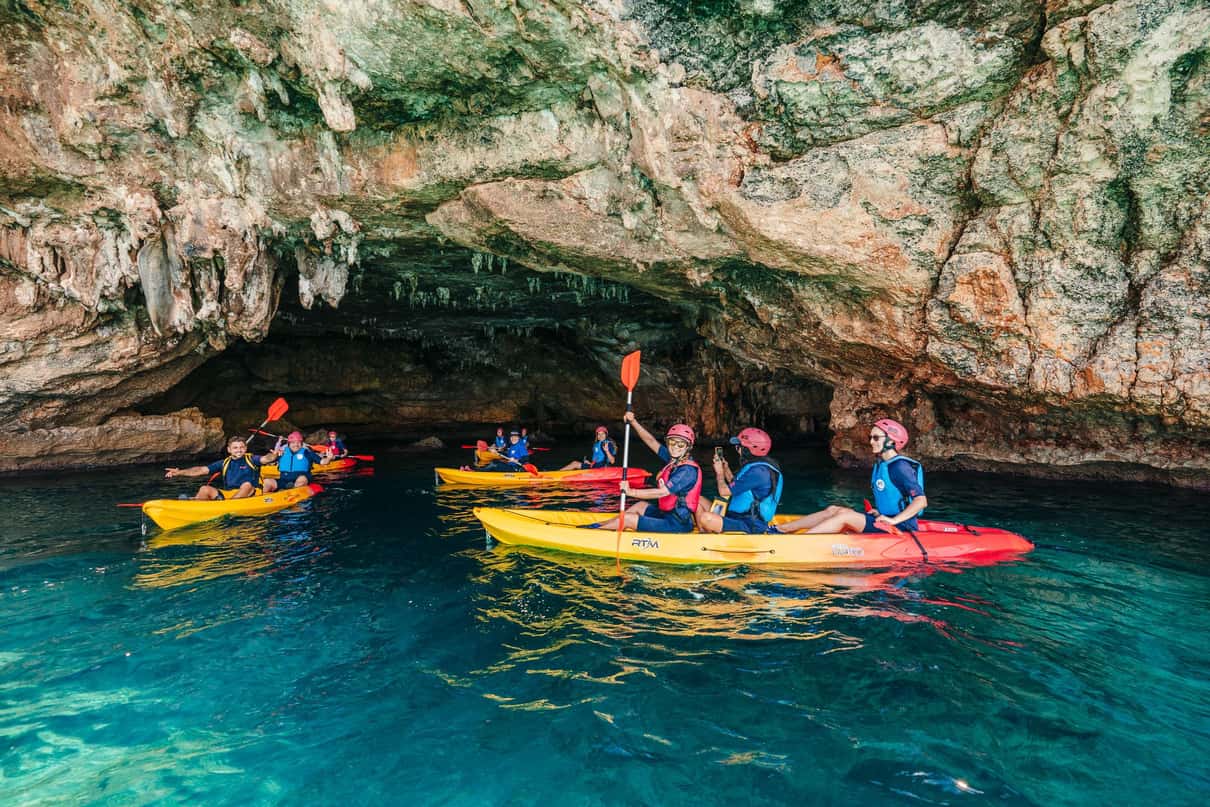
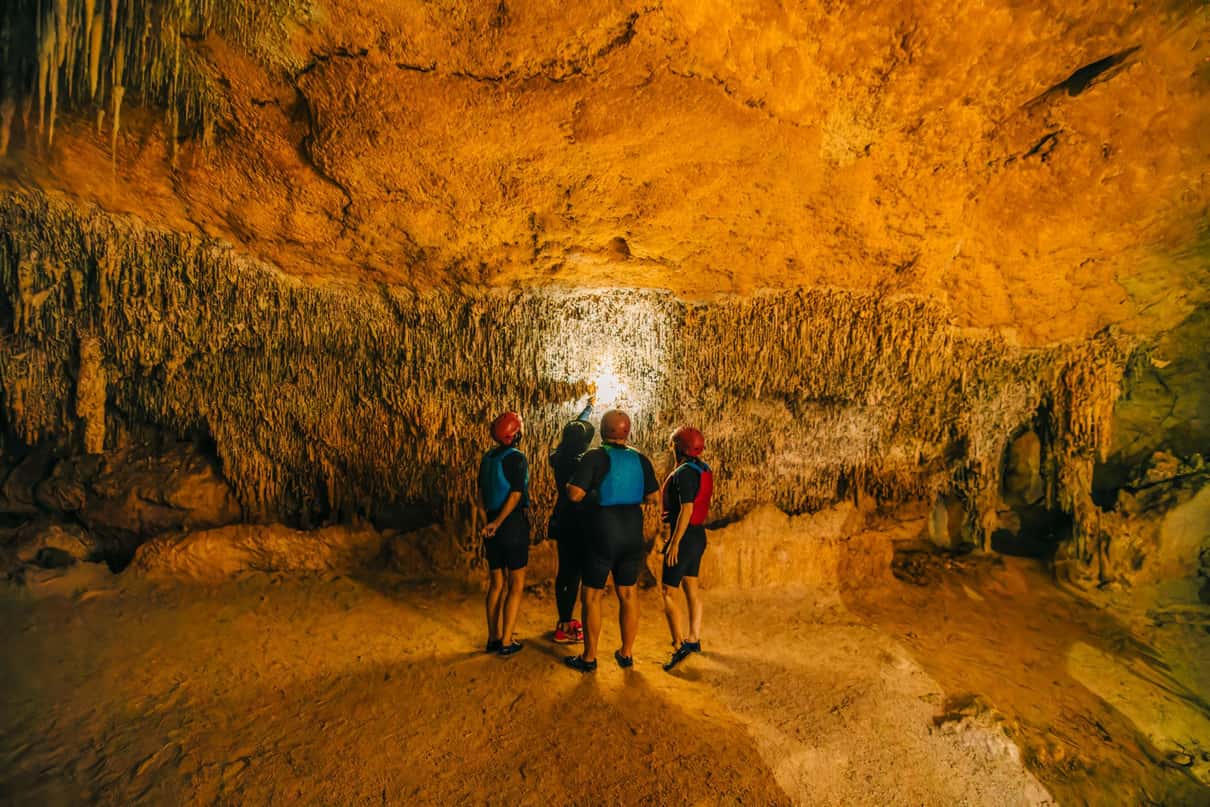
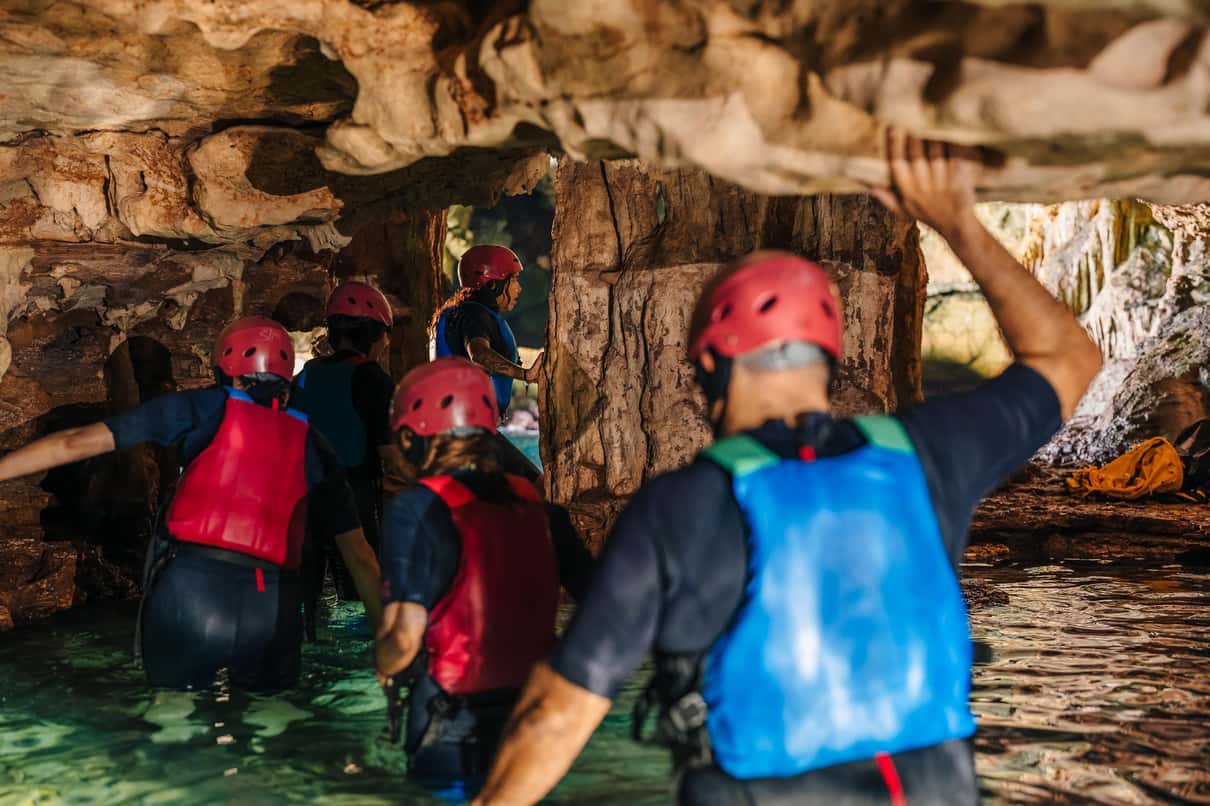
Paddle out from Cala Romántica, navigate along cliffs unseen from land, and swim inside secret sea caves equipped with a helmet and headlamp. Finish with snorkeling over the posidonia meadows facing the natural arch of Cala Varques.
View tour and availability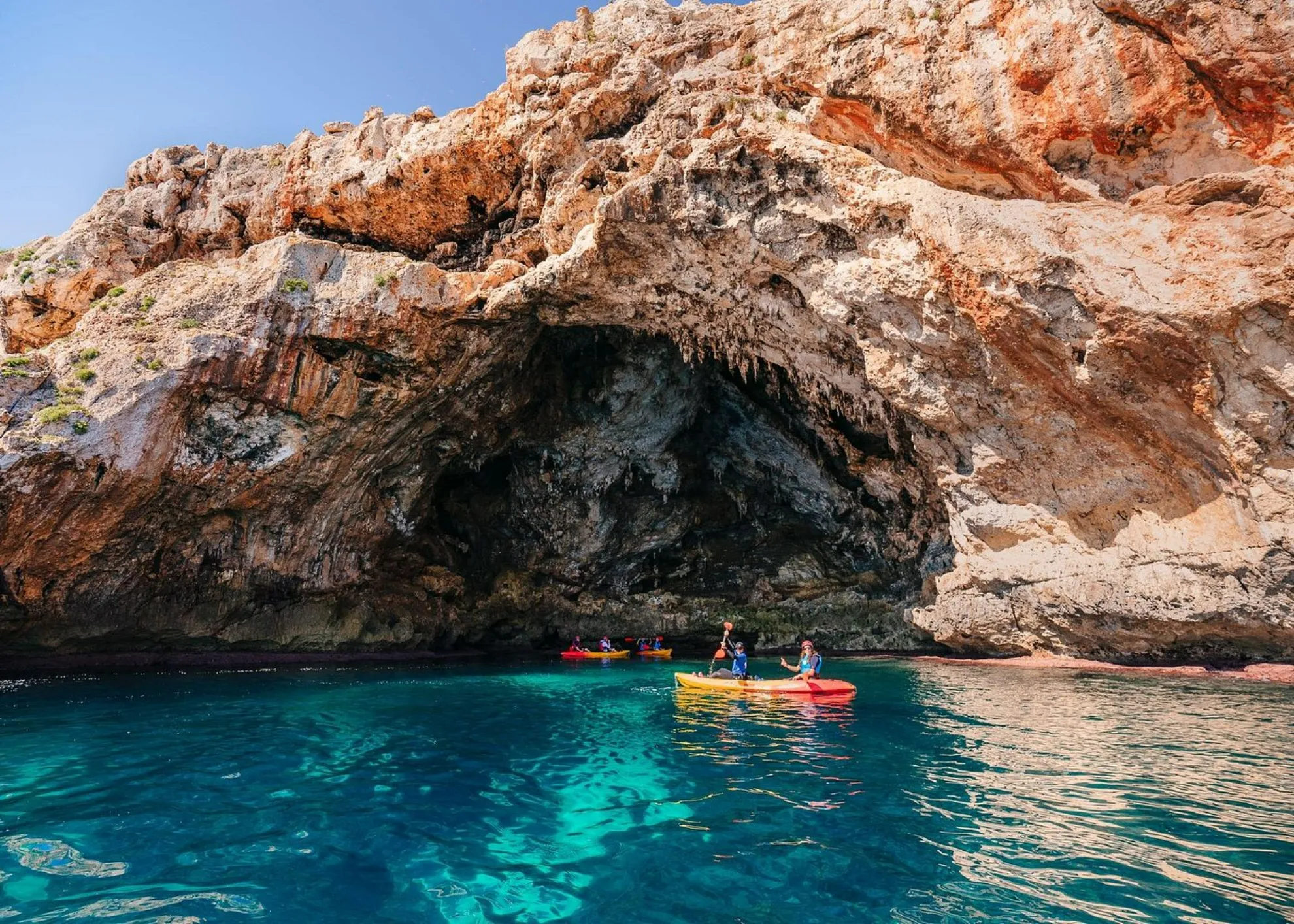 3 hours
Guided kayak trip to the sea caves of Cala Varques
A small-group expedition to Cova des Coloms and Falcó Cave, two geological wonders only accessible by sea. Full technical equipment included, with morning or afternoon departures.
View tour and availability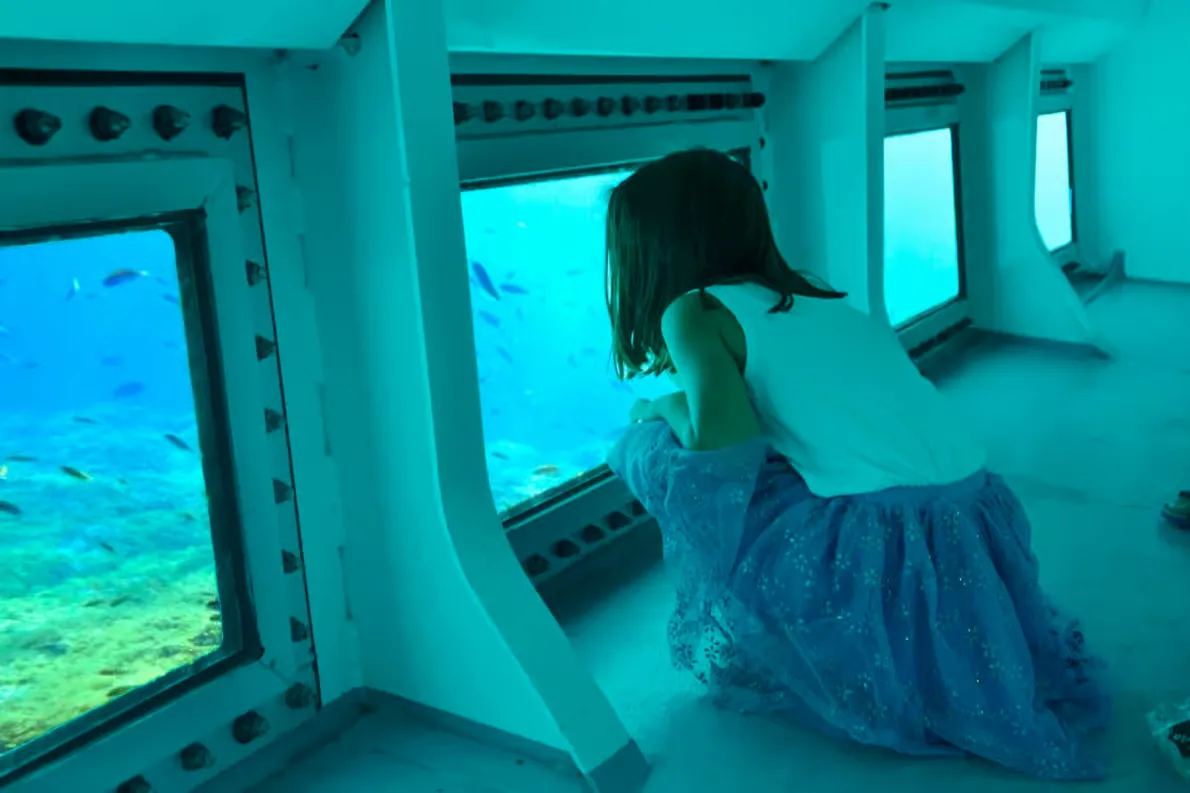 2 – 5 hours
Boat tour with snorkeling stop in Cala Varques
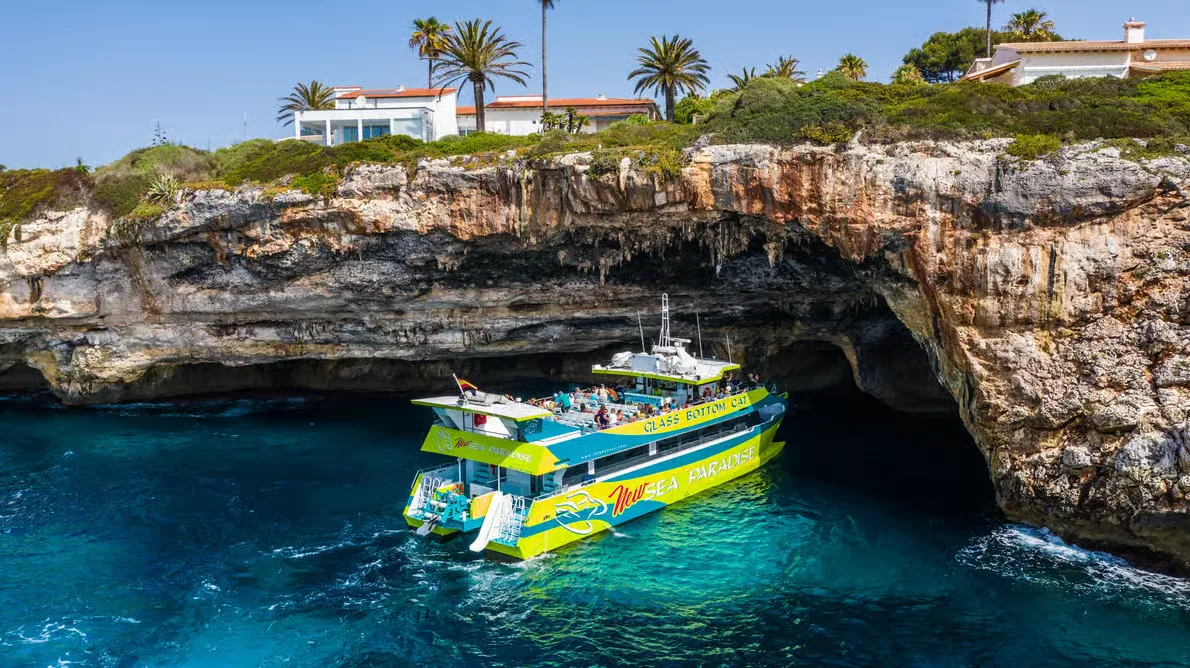
The most comfortable way to see Cala Varques: scenic sailing along the cliffs, a close-up look at the caves, and a swimming and snorkeling stop in crystal-clear waters, featuring a submarine viewing area on board.
View tour and availability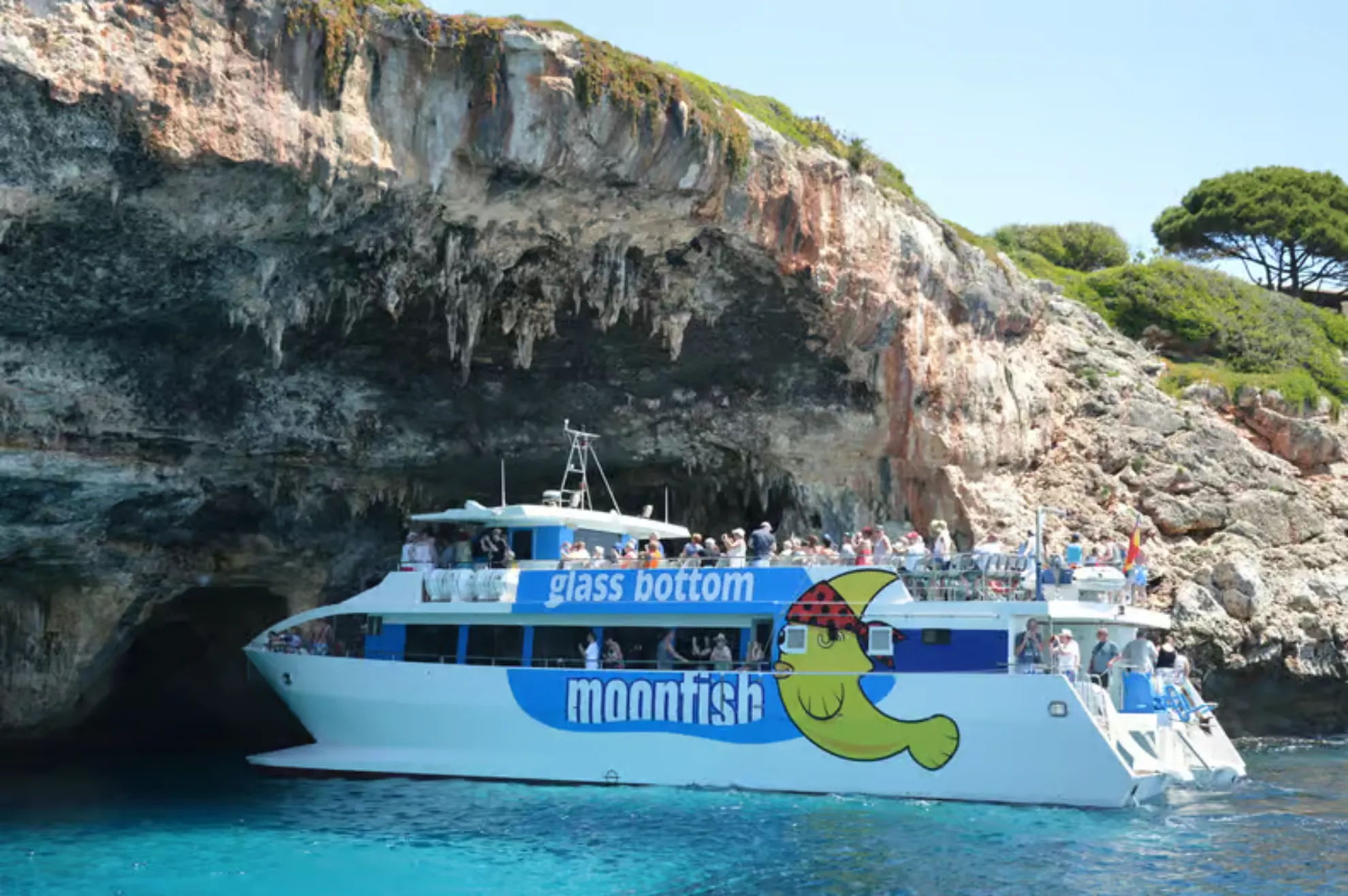 2 – 3.5 hours
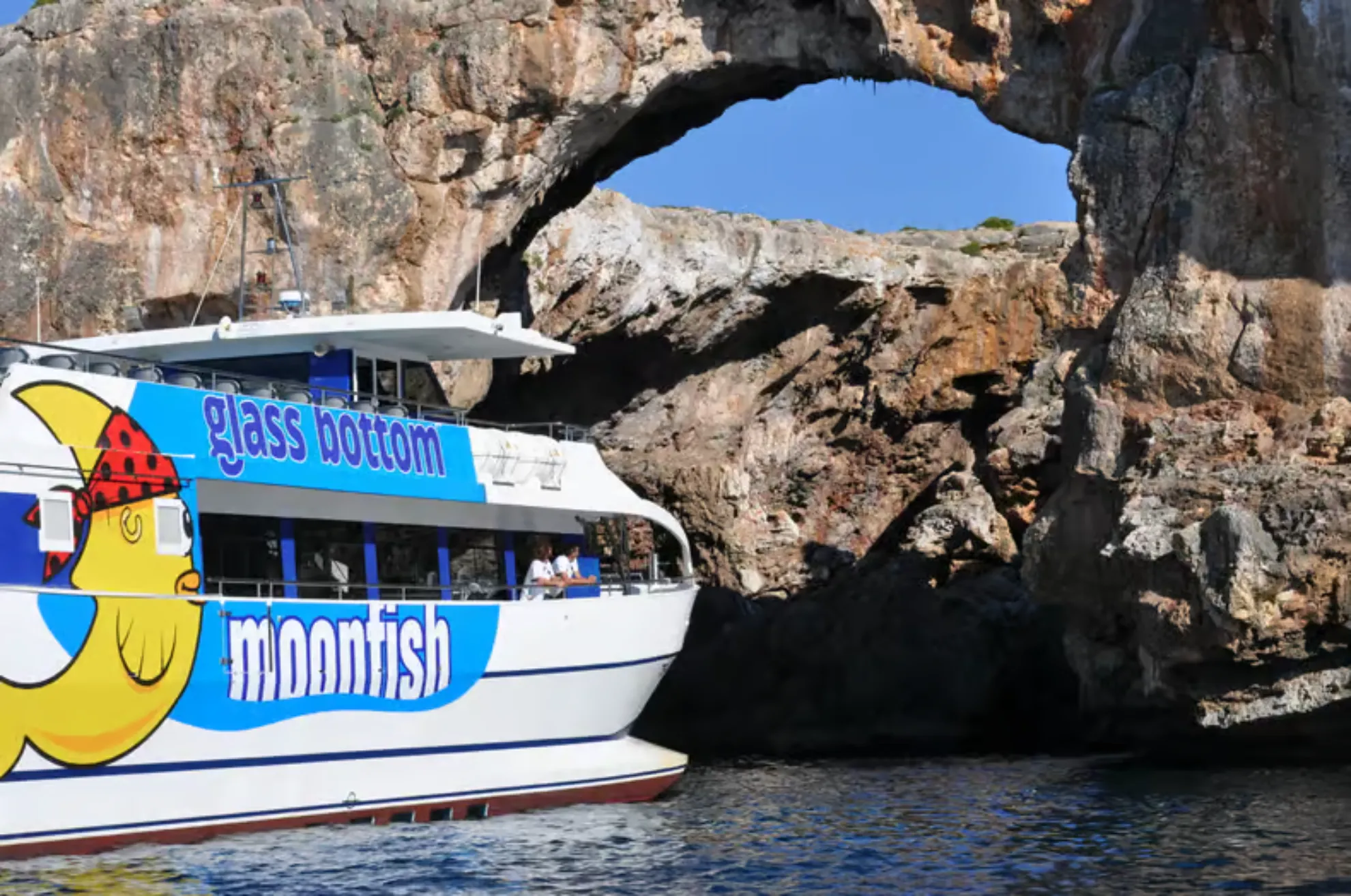
Glass-bottom catamaran along the east coast
Catamaran routes from Porto Cristo, Cala Millor, Cala Bona, Sa Coma, or Calas de Mallorca, featuring boat incursions into small caves and a swimming stop at Cala Varques or Cala Morlanda. On-board bar.
View tour and availability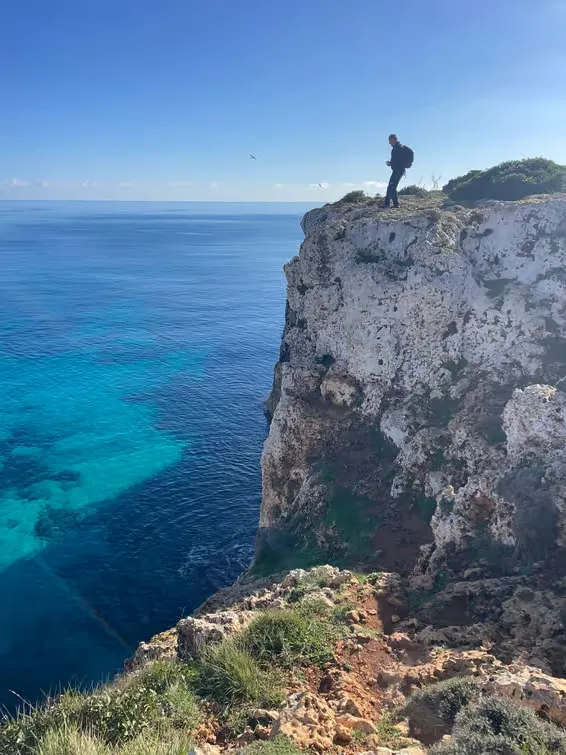 4 hours
Hiking and caves excursion between Cala Romántica and Cala Varques
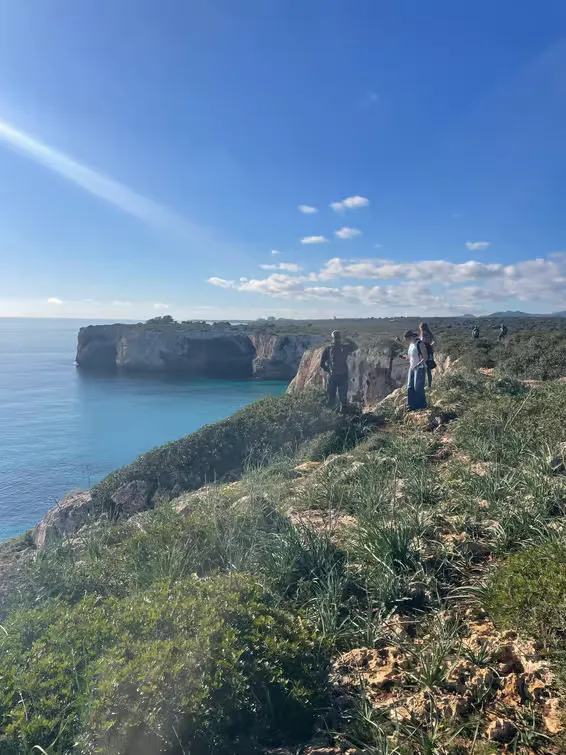
The classic eastern coastal route, this time with a guide: cliffs, Mediterranean pine forests, the natural rock bridge, and exploration of inland caves before swimming at Cala Varques.
View tour and availabilityWhat places will you visit in and around Cala Varques?
Unspoiled beaches, karst caves, a natural stone bridge, and a protected coastline that has escaped overdevelopment. This is what hides between Cala Romántica and Calas de Mallorca.
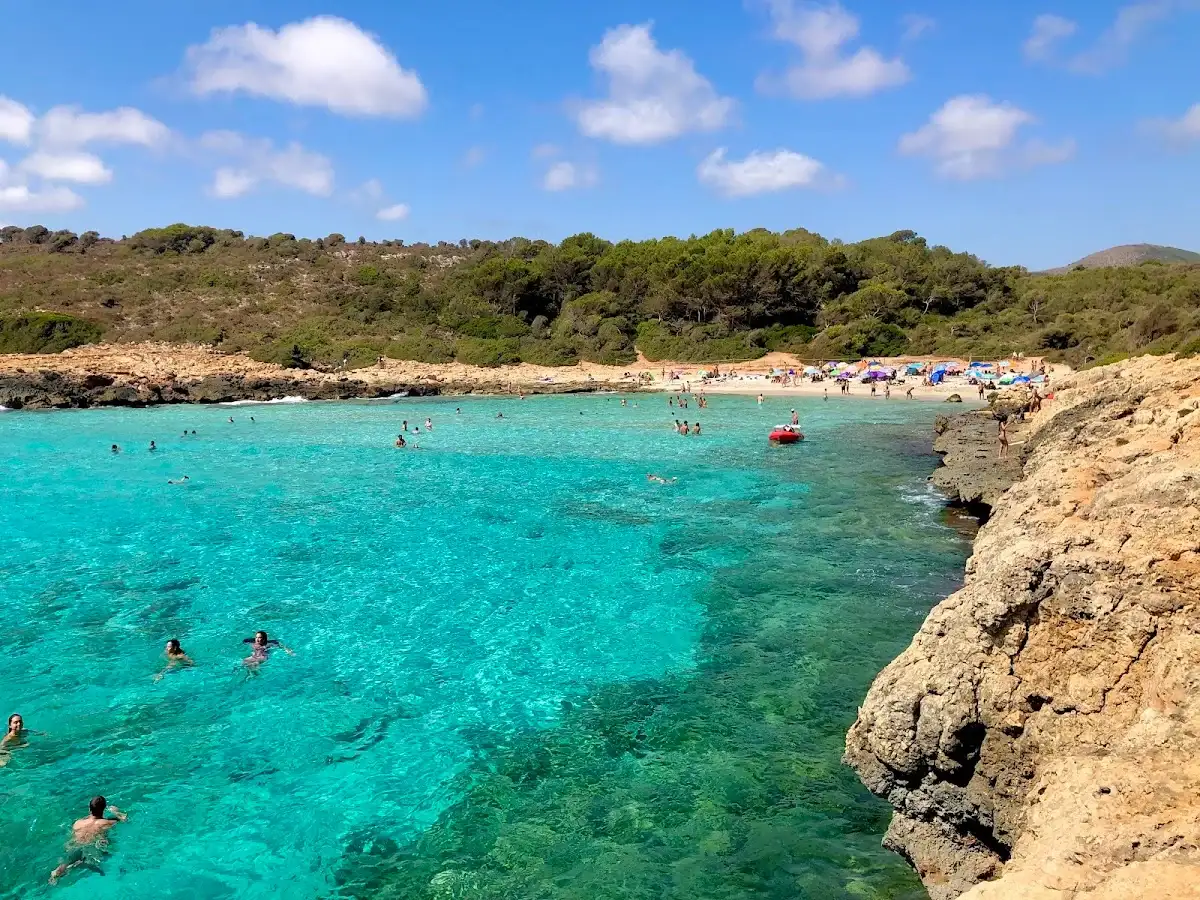
Cala Varques, the unspoiled beach of Manacor
A stretch of fine sand flanked by two low cliffs covered in pines and Mediterranean scrub, with turquoise water where you can see the bottom several meters down. Being inside the Calas de Manacor natural area, it has not a single building or tourist service: no sunbeds, no bars, no trash cans.
That isolation is exactly its charm, and also the reason why getting there is tricky: almost all tours enter from the sea and land or anchor in front of the beach.
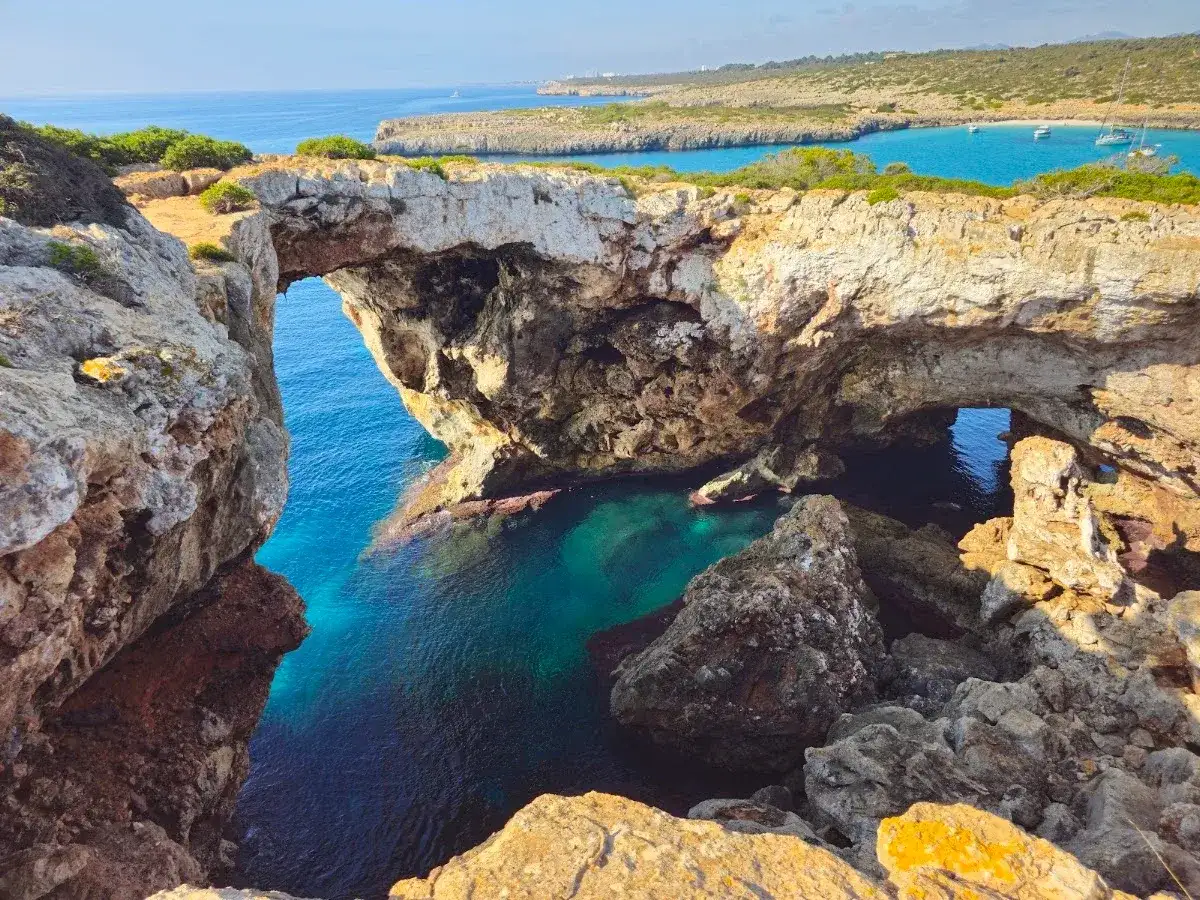
Es Pontet, the natural rock bridge
Just minutes from the cove, marine erosion has carved a stone arch that connects two stretches of cliff over the water. It is the most photographed postcard of the route and appears whether you arrive paddling or hike the coastal trail from s’Estany d’en Mas.
From the kayak, you pass right underneath when the sea is calm; from land, you walk across it with wide-open views of the entire Manacor coastline.
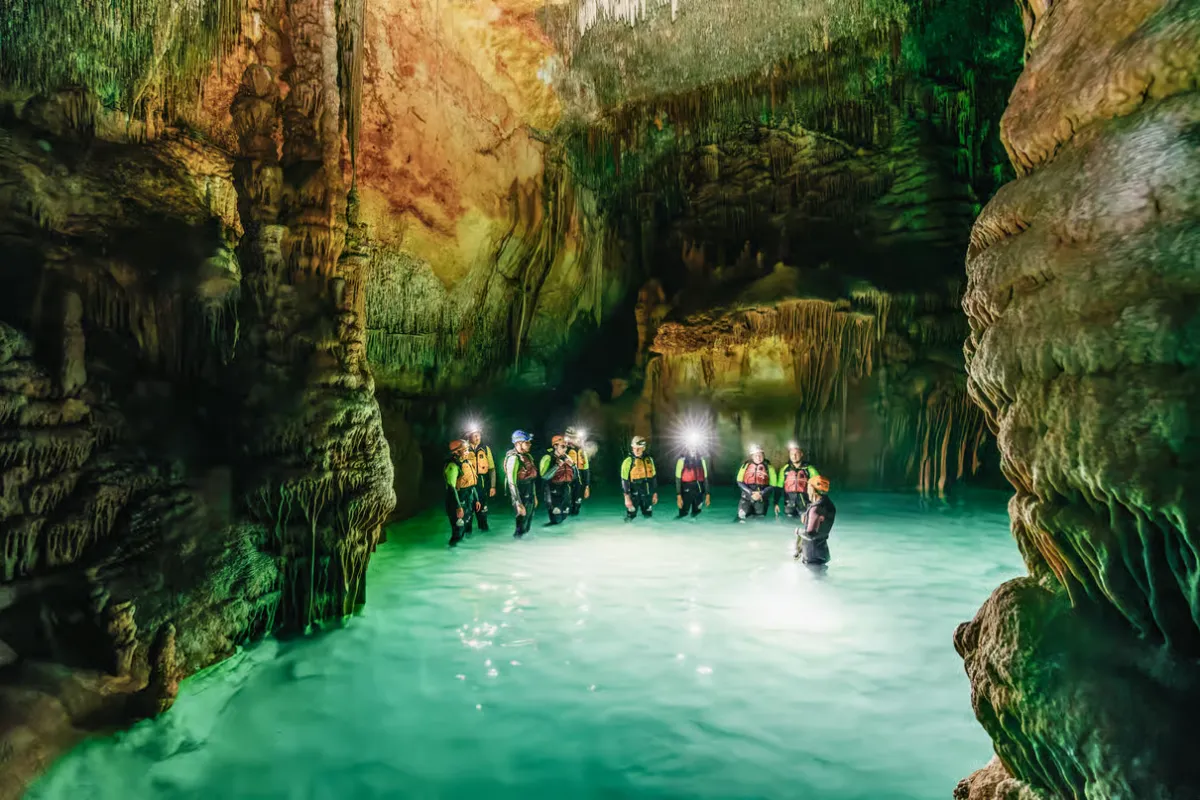
Cova des Coloms, the great sea cave
Located next to Cala Falcó, it is one of the most spectacular sea caves in Mallorca and a favorite for beginners in marine caving. Its main entrance is in the water, so it is only accessible by swimming or kayaking (experts also rappel down from above).
Inside, the light pouring through the mouth dyes the water an unreal electric blue. It is the highlight of the kayak excursions with helmets and headlamps.
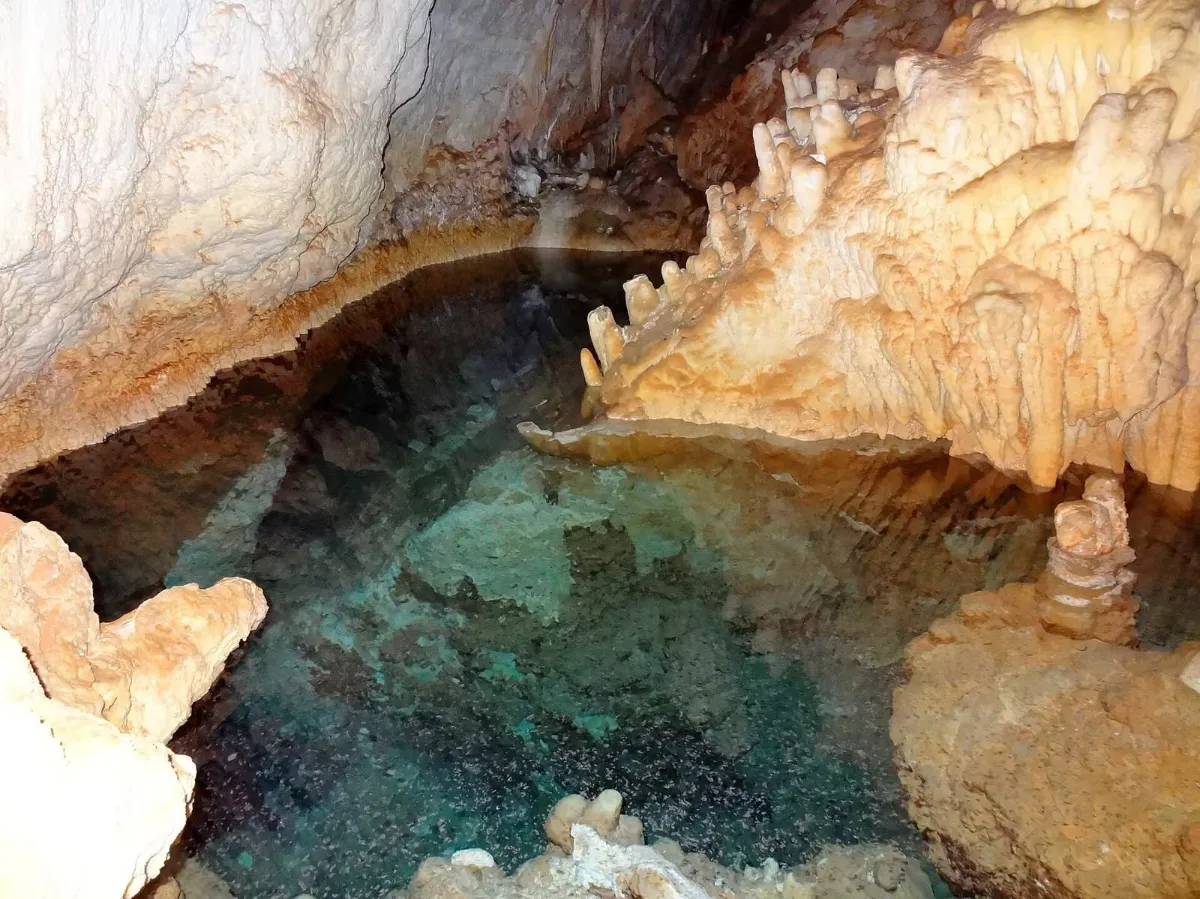
Cova des Pirata, des Pont and sa Piqueta
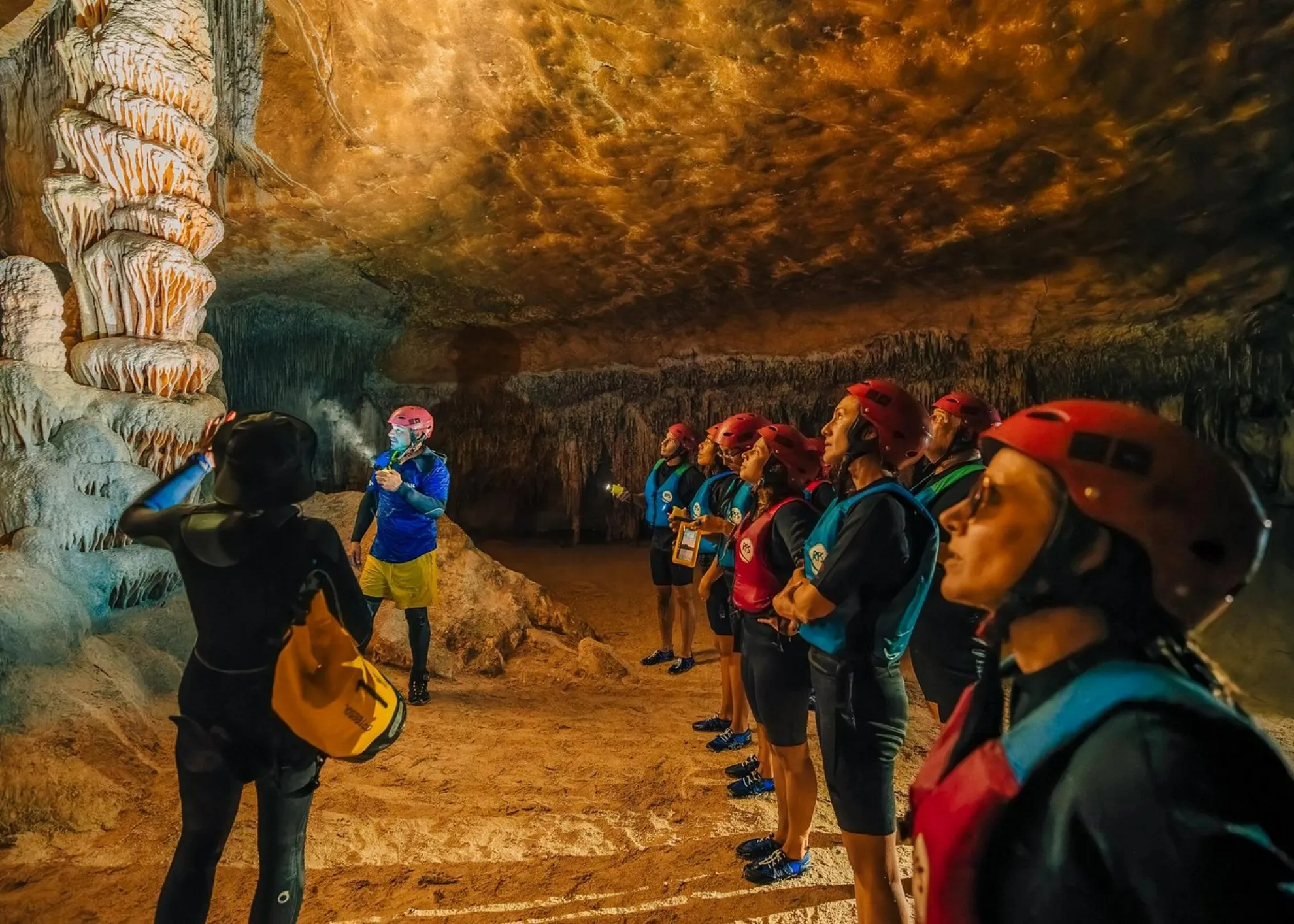
This stretch of coast is famous for its karst caves: a gallery system with stalactites, stalagmites, and small freshwater lakes just meters from the sea. Cova des Pirata was even fitted out for tours in the 1980s before being abandoned to its natural state.
Hiking routes visit the cavities accessible on foot, always with a guide and headlamp, because the terrain is uneven and there are no signs inside.
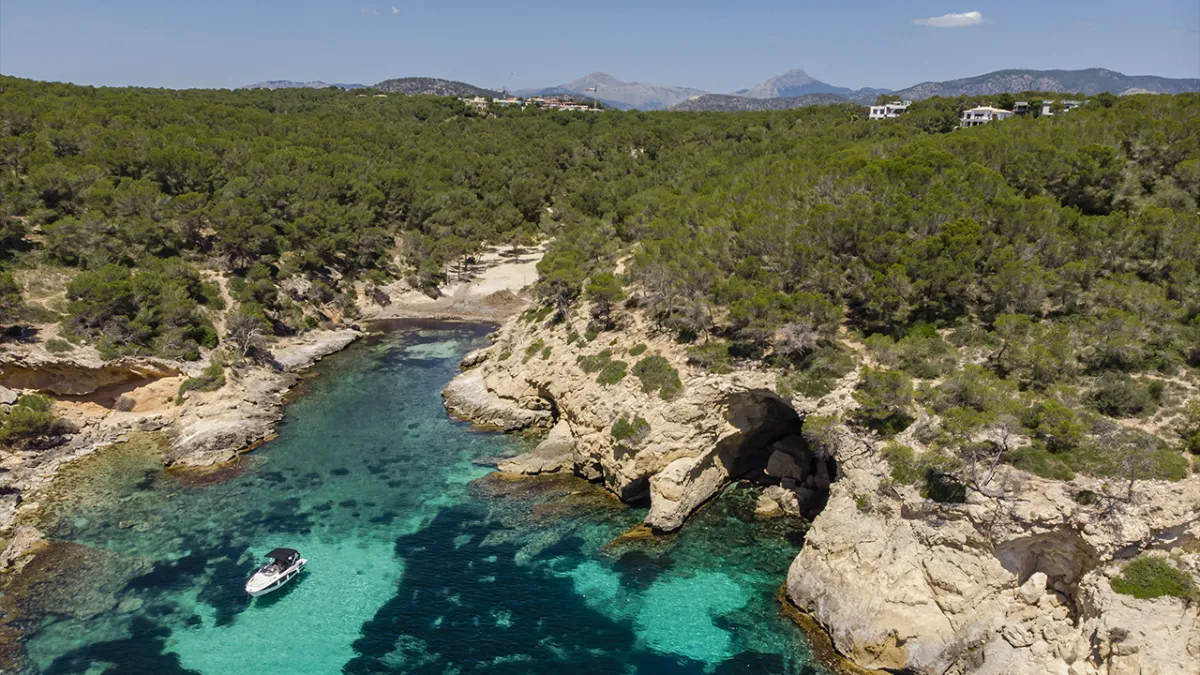
Cala Falcó, the stop before the grand finale
A narrow pebble cove wedged between rock walls, featuring an eroded cave on its left margin that extends into a large inner room. It is the usual rest and swim stop for both kayaks and hiking routes.
Its biggest advantage: it is usually much quieter than Cala Varques in the middle of August, and the water is just as clear.
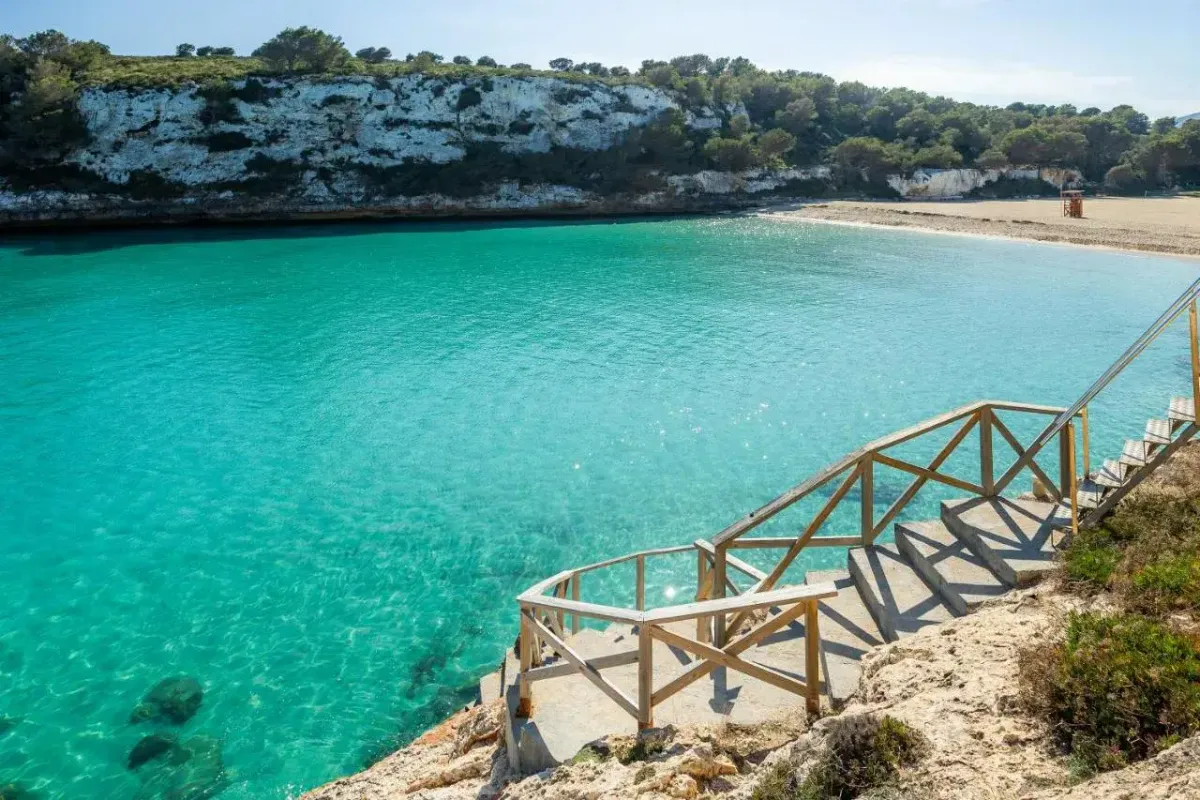
Cala Romántica (s’Estany d’en Mas)
The starting point for almost all excursions. It is a 100-meter white sand beach protected by limestone cliffs, with shallow waters and full services: parking, showers, lifeguard, and beach bars.
It was formed at the mouth of two streams, which explains its natural pond shape and its almost always calm sea: ideal for kayaking with no prior experience.
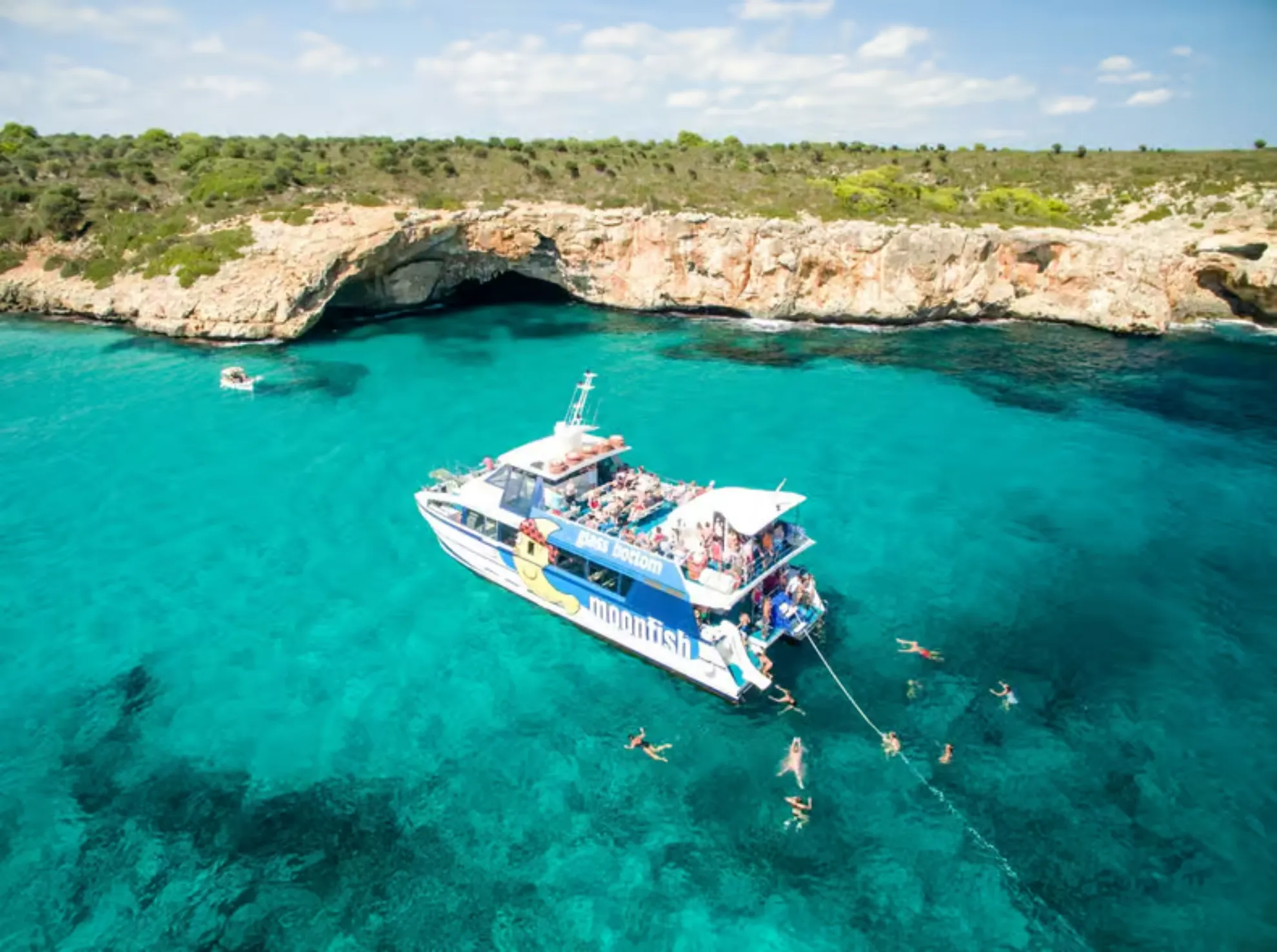
Cala Magraner, Cala Virgili, Cala Pilota and Cala Bota
South of Cala Varques lies a chain of four unspoiled pebble coves that give a perfect idea of what the entire east coast looked like before tourism: not a single building, with low cliffs, caves, and posidonia meadows keeping the water transparent.
Boat routes from Calas de Mallorca pass them one by one, and Cala Magraner is also a classic among climbers for its equipped walls.
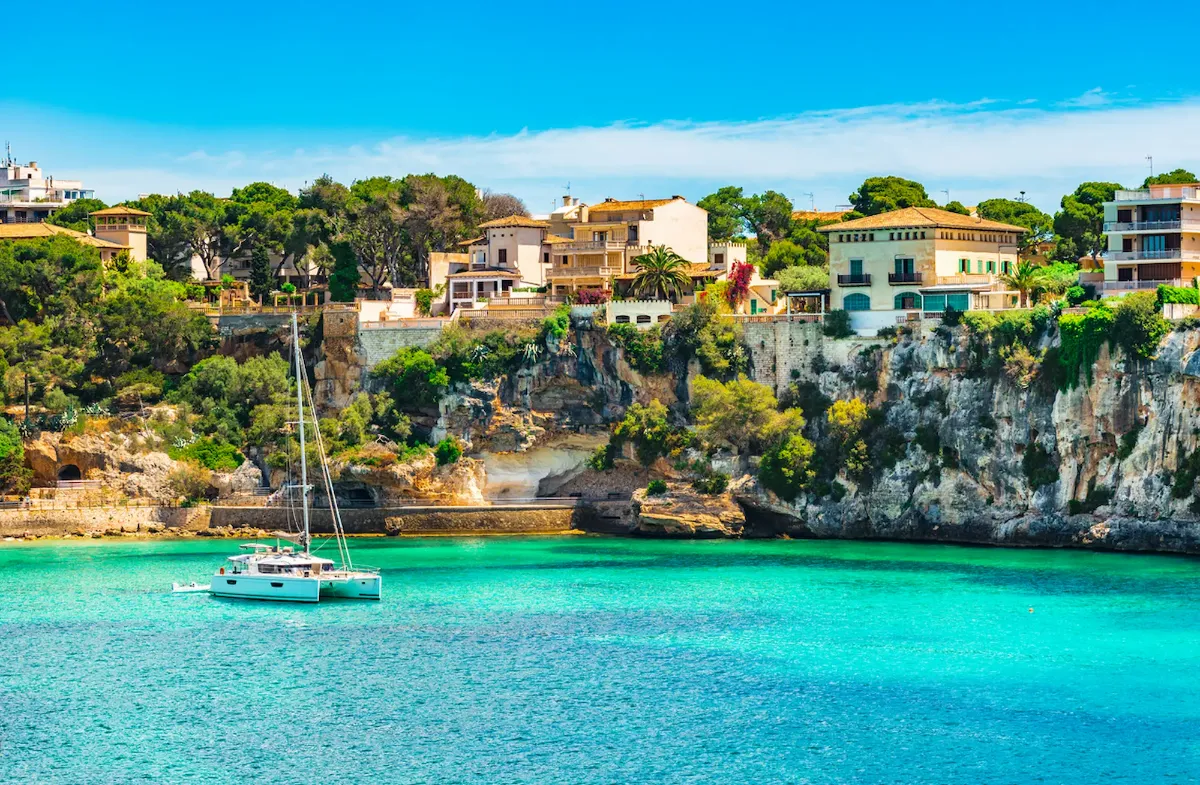
Porto Cristo, the Drach Caves, and Punta de n’Amer
A few kilometers north, Porto Cristo boasts the most beautiful natural harbor in the area and the famous Drach Caves, with their underground lake and classical music concerts. Many catamaran routes leave or pass through here.
Further up, the Punta de n’Amer peninsula is a protected natural space crowned by a 17th-century defensive tower with 360º views over the bay: the panoramic stop for departures from Cala Millor and Cala Bona.
Frequently Asked Questions
Everything you should know before booking your excursion to Cala Varques: access, required level, best time to visit, and what to pack in your backpack.
Where is Cala Varques exactly and how do you get there?
Cala Varques is located in the municipality of Manacor, on the east coast of Mallorca, between Cala Romántica (s’Estany d’en Mas) and Calas de Mallorca, about 60 km from Palma airport.
There is no road or parking leading to the cove. It can be accessed in two ways: by sea (kayak, boat, or catamaran) or on foot, along the coastal path that starts at Cala Romántica, which takes between 40 minutes and a good hour depending on your pace.
Is it true that land access is closed?
The classic dirt road crosses private estates and its gates have been closed for years, meaning you cannot access it by car, and walking through that path has been a source of conflict between the owners, the City Council, and users.
That is why guided excursions always depart from Cala Romántica: by kayak and boat you arrive directly from the sea, and on the hiking route you follow the coastal itinerary with a guide. It is the best way to visit without jumping fences or worrying if the gate is open that day.
Which tour should I choose if it’s my first time in the area?
If you are looking for the most complete experience, the kayak tour with snorkeling and caves is the most popular: it combines paddling, sea caves, the natural arch, and swimming in just three hours.
If you are traveling with young children, seniors, or simply don’t feel like exerting yourself, the boat tour with a snorkeling stop or the glass-bottom catamaran let you see the same sights from the water without paddling. And if you love walking, the hiking and caves route is the most immersive option.
Do I need prior experience or good physical fitness to kayak?
No. The tours are designed for beginners: there is an initial safety briefing, the guide accompanies the group at all times, and the pace is relaxed, with about 40 minutes of paddling each way and frequent stops.
It is advisable to know how to swim and feel comfortable in the water, as you will swim inside the caves and snorkel. Kayaks are double or single depending on the group, and wetsuits are provided during the colder months.
Which caves are visited on the excursions?
It depends on the activity and sea conditions. From the water, you enter sea caves like Cova des Coloms (next to Cala Falcó) and other cavities that only have a sea entrance. On the hiking routes, you explore terrestrial caves of the local karst system, such as Cova des Pirata or Cova des Pont, featuring stalactites and stalagmites.
On catamaran tours, the boat makes brief incursions into open caves without disembarking.
When is the best time and hour to visit Cala Varques?
The swimming season runs from May to October, with the warmest water between July and September. If you can choose, June and September offer the best combination: good sea conditions, fewer crowds, and excellent light for photos.
As for the time of day, morning departures usually enjoy flatter seas—which is key for entering the caves—and a much quieter cove. Afternoon departures compensate with spectacular lighting on the cliffs.
What do I need to bring?
Wear your swimsuit, and bring a towel, sunscreen, a hat, and water. For kayaking and hiking, wear water shoes or closed sneakers (no flip-flops on the hiking route, as the rocky terrain is uneven).
If you want to bring your phone or camera, use a waterproof case. The rest of the technical gear—kayak, life jacket, helmet, headlamp, and snorkeling equipment—is included in the guided tours.
Are these activities suitable for families with children?
Yes, with some nuances. Kayak tours accept participants from 6 years old (with an adult in the kayak) and have a maximum weight limit of 110 kg per person. The hiking route requires walking for about four hours over uneven terrain, so it is better suited for older children.
For families with small children, the boat tours and the glass-bottom catamaran are the best choice: no effort required, with a swimming stop and underwater views from the deck.
Is there a bar, restrooms, or shade in Cala Varques?
No. Cala Varques is part of a protected natural area and has no facilities whatsoever: no permanent beach bars, no showers, no restrooms, no lifeguards, and no trash bins. Shade is limited to the pine trees at the edges and disappears during the central hours of the day.
Bring enough water and take all your trash back with you. It is the only way to ensure it remains the beautiful cove you’ve seen in the photos.
Is cliff jumping allowed?
Some tours include an optional jump from a low rock, always supervised by the guide and only if sea conditions and current regulations allow it. It is never mandatory and should never be done on your own.
Jumping from high cliffs (cliff jumping) and free solo climbing over water (psicobloc) have caused severe accidents in this area and are restricted by the Manacor City Council. Listen to your guide: they know the depth and currents at each spot.
Can I cancel if the weather or my plans change?
Most excursions offer free cancellation up to 24 hours in advance and the option to reserve now and pay later, with instant email confirmation and a digital ticket on your phone.
If sea conditions are unsafe, the operator will reschedule or cancel the departure for safety reasons. The exact conditions for each tour are displayed when you select a date on the booking platform.
Cala Varques is booked in advance
In summer, kayak and boat spots sell out days in advance. Choose your excursion, secure your date, and decide later: free cancellation covers you up to 24 hours before.
Compare the 5 tours